
VR-Enabled Digital Twins: Revolutionizing Real-World Decision Making
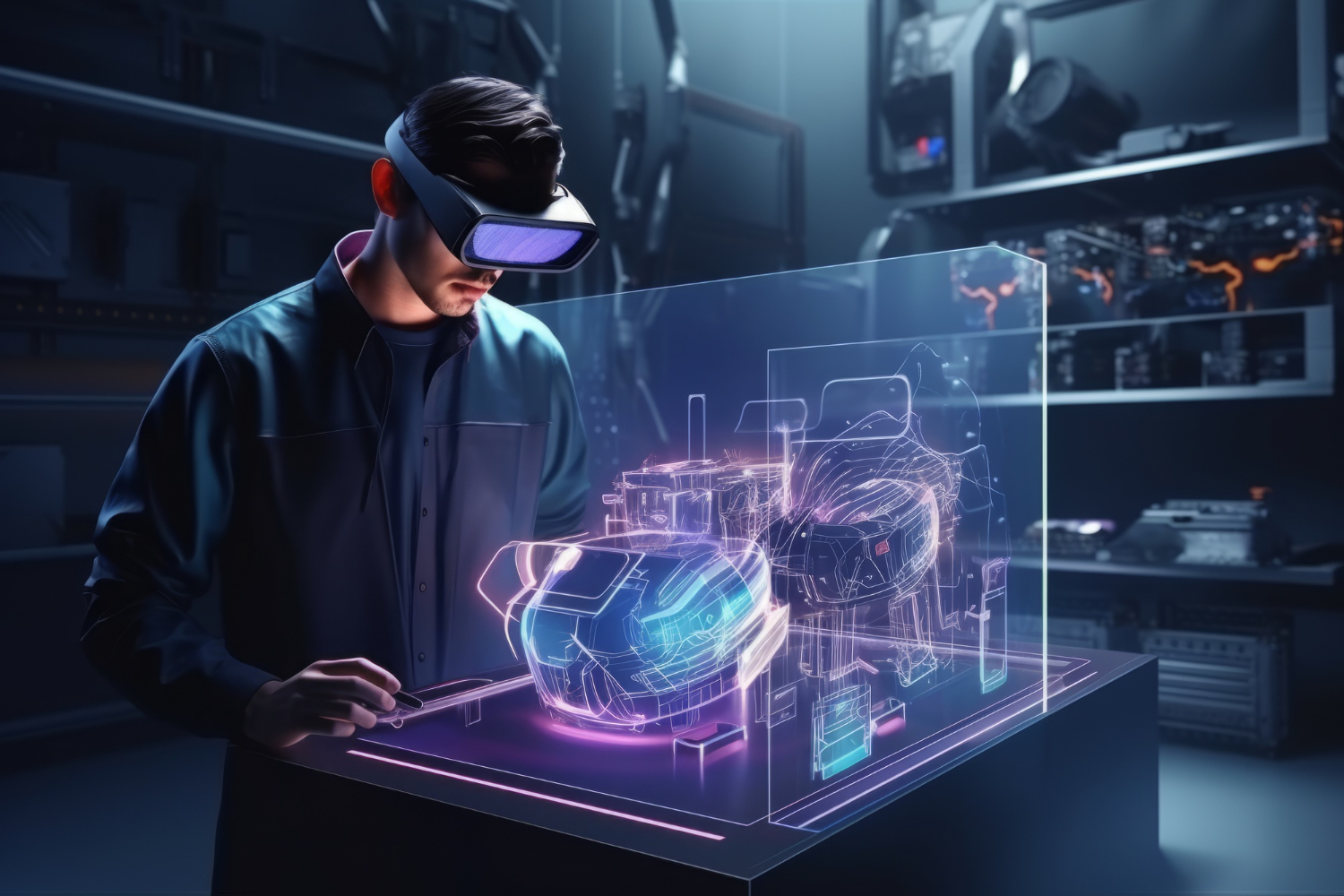
In the era of Industry 4.0 and smart technologies, decision-making has become increasingly data-driven, complex, and dynamic. Traditional methods of planning, analysis, and simulation often struggle to keep up with the intricacies of modern systems, whether in urban planning, manufacturing, or environmental management. Enter VR-enabled digital twins—a transformative technology that bridges the gap between the physical and virtual worlds, allowing stakeholders to visualize, simulate, and optimize real-world systems in immersive, interactive environments.
Understanding Digital Twins
A digital twin is a virtual replica of a physical asset, system, or process, created using real-time data and sophisticated modeling techniques. This digital counterpart mirrors the physical entity’s behavior, performance, and interactions, allowing stakeholders to monitor, analyze, and optimize without physically interfering with the real-world system.
Digital twins are already used extensively in aerospace, automotive, manufacturing, and energy sectors. For instance, engineers can simulate stress tests on aircraft engines or predict maintenance requirements for wind turbines without touching a single physical component. However, the addition of Virtual Reality (VR) takes digital twins to an entirely new level.
Why VR Matters
While traditional digital twins offer dashboards, charts, and 3D models, they are often limited to passive observation. VR enables full immersion, allowing decision-makers to “step inside” a digital twin. Instead of analyzing data on a 2D screen, VR provides a spatial, interactive experience that mirrors real-world scenarios. Users can navigate complex systems, manipulate components, and visualize outcomes from perspectives that were previously impossible.
For example, city planners can explore a VR model of an urban area, witnessing traffic patterns, pedestrian flows, and pollution hotspots in real time. Factory managers can walk through a VR version of their production floor, identifying bottlenecks and testing equipment layout changes before implementing costly physical modifications.
Applications of VR-Enabled Digital Twins
1. Urban Planning and Smart Cities
VR digital twins can revolutionise city management. By integrating data from sensors, IoT devices, and GIS mapping, cities can create immersive virtual replicas of streets, buildings, utilities, and public spaces. Decision-makers can simulate urban development scenarios, assess infrastructure stress, and even model emergency responses.
For example, in a VR-enabled digital twin of a city, planners can test the impact of a new traffic route, visualize evacuation strategies during natural disasters, or evaluate environmental effects of proposed construction projects. This immersive approach reduces errors, saves time, and enhances collaboration among stakeholders.
2. Industrial Manufacturing and Operations
Manufacturing industries can leverage VR digital twins to optimize production processes and reduce downtime. VR allows engineers and operators to explore virtual factories, monitor machine health in real time, and simulate production line changes before physically altering operations.
This approach is particularly valuable for predictive maintenance. By simulating wear and tear on machinery within a VR environment, maintenance teams can forecast failures, schedule repairs proactively, and minimize costly downtime. It also supports employee training by providing immersive, risk-free environments to learn complex operations.
3. Energy and Utilities Management
The energy sector can benefit significantly from VR-enabled digital twins. Power grids, pipelines, and renewable energy installations can be replicated virtually, enabling real-time monitoring, fault detection, and scenario simulation. Operators can virtually navigate a wind farm, assess turbine efficiency, or simulate emergency shutdown procedures without endangering personnel.
In utilities, VR digital twins can visualize water networks, detect leaks, and predict consumption patterns. This capability enables more efficient resource management, reduced operational costs, and improved sustainability outcomes.
4. Environmental and Disaster Management
Environmental monitoring and disaster response can become more sophisticated with VR digital twins. Ecosystems, coastlines, forests, and rivers can be modeled in immersive virtual environments, allowing researchers and policymakers to simulate climate change impacts, deforestation, or flood events.
Emergency responders can also train in VR replicas of disaster zones, testing evacuation routes, resource allocation, and coordination strategies. These simulations improve preparedness, reduce human risk, and enhance real-world outcomes during crises.
Benefits of VR-Enabled Digital Twins
1. Enhanced Decision-Making
Immersive VR experiences allow decision-makers to intuitively understand complex systems, spot patterns, and predict outcomes that might be missed in traditional 2D analyses. This deeper understanding leads to more informed, confident, and strategic decisions.
2. Cost and Time Efficiency
By simulating changes virtually, organizations can reduce the trial-and-error costs associated with physical modifications. VR digital twins minimize resource wastage, accelerate project timelines, and enable proactive problem-solving.
3. Collaboration and Stakeholder Engagement
VR digital twins provide a shared, interactive environment where multiple stakeholders can collaborate remotely. Engineers, planners, managers, and policymakers can collectively explore scenarios, test solutions, and reach consensus faster than through conventional meetings or static reports.
4. Risk Reduction
Whether in industrial operations, urban planning, or disaster management, VR digital twins allow users to simulate high-risk scenarios without endangering lives or assets. This capability enhances safety, compliance, and operational resilience.
Challenges and Considerations
Despite their transformative potential, VR-enabled digital twins are not without challenges:
-
Data Integration: Creating accurate digital twins requires integrating vast amounts of real-time data from multiple sources, including IoT devices, sensors, and enterprise systems. Ensuring data quality and interoperability can be complex.
-
Computational Demands: High-fidelity VR simulations require significant computing power and advanced graphics rendering, which can be costly and resource-intensive.
-
User Adoption: Organizations must train personnel to effectively navigate VR environments and interpret the insights generated by digital twins.
-
Cybersecurity: As VR digital twins often connect to critical infrastructure, robust security measures are essential to prevent cyber threats and data breaches.
As industries increasingly rely on data-driven decision-making, VR-enabled digital twins will become indispensable tools, reshaping how we plan, operate, and respond in the real world.
VR-enabled digital twins represent a paradigm shift in decision-making. By combining immersive visualization, real-time data, and predictive modeling, they provide unparalleled insights into complex systems, reduce risks, and enhance collaboration. From smart cities to manufacturing plants and disaster management, VR digital twins empower organizations to simulate, optimize, and transform real-world operations.
In a world where complexity and uncertainty are constants, VR-enabled digital twins offer clarity, foresight, and a tangible bridge between the digital and physical realms—helping decision-makers act smarter, faster, and more confidently.
Share This Story, Choose Your Platform!
LISTEN NOW

CAPTIVATING READS