
VR vs AR for Tradeshows: Which Technology Should You Bet On?
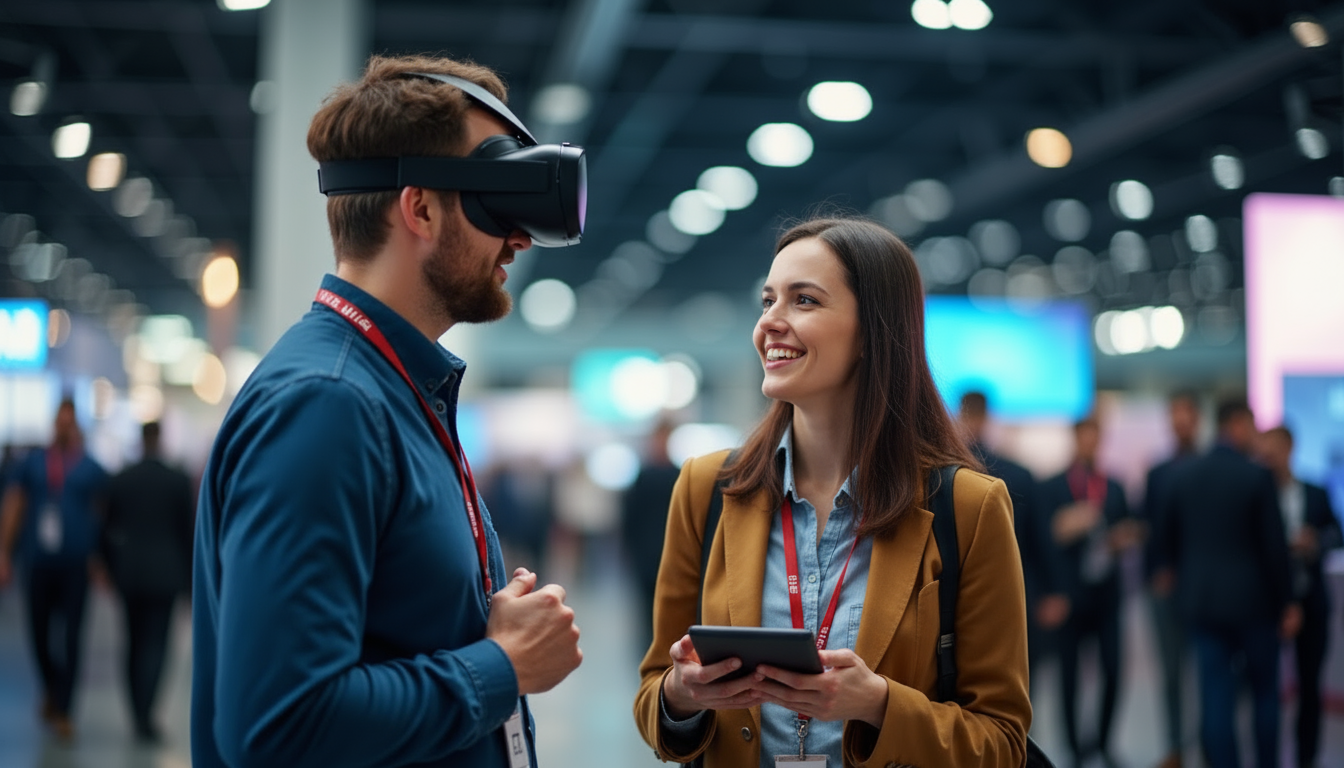
In today’s competitive tradeshow environment, grabbing attention is no easy feat. Every booth is fighting for foot traffic, every brand is vying for visibility, and every marketer is tasked with creating memorable experiences. This is where immersive technologies like Virtual Reality (VR) and Augmented Reality (AR) are stepping in, redefining how businesses showcase products, engage visitors, and leave lasting impressions.
But when it comes to tradeshows, the question often arises: Which is better – VR or AR?
The truth is, both technologies have unique strengths. To choose the right one, you need to understand how they differ, what they offer, and which aligns better with your tradeshow goals.
Understanding VR and AR in Simple Terms
Before diving into comparisons, let’s quickly define the two technologies:
-
Virtual Reality (VR): A fully immersive experience that transports users into a simulated environment. With a VR headset, visitors can step into a virtual world — whether it’s a factory floor, a luxury resort, or inside the inner workings of a machine.
-
Augmented Reality (AR): An overlay of digital elements onto the real world. AR doesn’t replace reality — it enhances it. Visitors can use AR-enabled devices like tablets, phones, or AR glasses to see 3D models, animations, or information layered on top of physical products or spaces.
Both are powerful, but they serve very different purposes at tradeshows.
The Case for Virtual Reality at Tradeshows
VR is all about immersion. It takes visitors away from the noisy, crowded tradeshow floor and transports them into your brand’s universe.
Advantages of VR at Tradeshows
-
Showcase the Unshowcaseable
Some products are too large, too complex, or too expensive to physically bring to a tradeshow. VR solves this problem. You can demonstrate massive machines, entire production lines, or even real estate projects with just a headset. -
Tell a Complete Story
VR lets you design a guided journey. Instead of handing out brochures or explaining with slides, you can walk prospects through a virtual environment that highlights your product’s features, benefits, and use cases in a structured, engaging way. -
High Engagement Factor
Visitors are naturally curious about VR. A headset at your booth often creates a line of attendees eager to try it. This curiosity not only attracts people but also increases dwell time at your booth. -
Memorable Experiences
After a tradeshow, most visitors forget the majority of booths they visited. But a VR experience? That sticks. Immersion leads to stronger recall, making your brand memorable long after the event.
Limitations of VR at Tradeshows
-
Hardware Dependence: VR requires headsets, which limits the number of people who can experience it at once.
-
Isolation: VR blocks out the outside world, meaning users can’t easily interact with colleagues or booth staff while experiencing it.
-
Setup and Costs: Developing custom VR content and setting up the hardware can be resource-intensive.
The Case for Augmented Reality at Tradeshows
Unlike VR, AR enhances the tradeshow environment rather than replacing it. Visitors can see digital elements layered on the real world, often using their own smartphones or a provided device.
Advantages of AR at Tradeshows
-
Interactive Product Demos
AR lets you place a 3D model of your product right on the tradeshow floor. Visitors can rotate it, zoom in, and see it in action without the need to bring the physical product. -
Lightweight and Accessible
AR doesn’t require bulky headsets. A phone, tablet, or AR glasses is enough to deliver an immersive experience. This makes it easier to scale demos to multiple visitors at once. -
Blend of Digital and Physical
AR allows you to augment your real booth space with animations, product specs, or gamified elements. For example, scanning a physical product could reveal hidden features, exploded views, or customer testimonials. -
Ease of Sharing
AR experiences can often be shared beyond the tradeshow floor. Visitors can scan a QR code, take the AR model with them, and continue interacting after the event — extending the engagement window.
Limitations of AR at Tradeshows
-
Limited Immersion: AR is less immersive than VR. It enhances, but doesn’t transport.
-
Device Dependency: AR works best on newer devices. If attendees use older phones, the experience may lag or fail.
-
Content Complexity: Creating interactive, high-quality AR experiences requires careful design to avoid being gimmicky.
VR vs AR: A Side-by-Side Comparison for Tradeshows
| Factor | VR (Virtual Reality) | AR (Augmented Reality) |
|---|---|---|
| Immersion |
|
|
| Best For |
|
|
| Hardware Needs |
|
|
| Audience Reach |
|
|
| Setup Cost |
|
|
| Memorability |
|
|
| Portability |
|
|
When to Use VR at a Tradeshow
-
Your product is too large, dangerous, or complex to bring physically.
-
You want to tell a complete brand story through a guided experience.
-
You’re targeting deep engagement with fewer, high-value prospects.
-
You want your booth to be a showstopper with high recall value.
When to Use AR at a Tradeshow
-
You want to enhance physical products you already have on display.
-
You’re looking for scalable, accessible experiences for many visitors at once.
-
You need an experience that can extend beyond the booth (via QR codes or links).
-
You want a lightweight, interactive tool that’s easy to deploy.
Final Thoughts
Both VR and AR bring powerful advantages to tradeshows. VR offers deep immersion and storytelling power, while AR provides accessibility and interactive product enhancement.
The choice ultimately depends on your goals, audience, and resources. If your objective is to wow and immerse, VR is the way to go. If your aim is to scale and engage, AR might serve you better. And if you want to truly stand out, consider blending both for a layered experience.
In the crowded tradeshow environment, the brands that succeed aren’t just the ones with the biggest booths — they’re the ones that create experiences visitors remember. Whether through VR, AR, or a mix of both, immersive technology is the future of tradeshows.
Share This Story, Choose Your Platform!
LISTEN NOW

CAPTIVATING READS